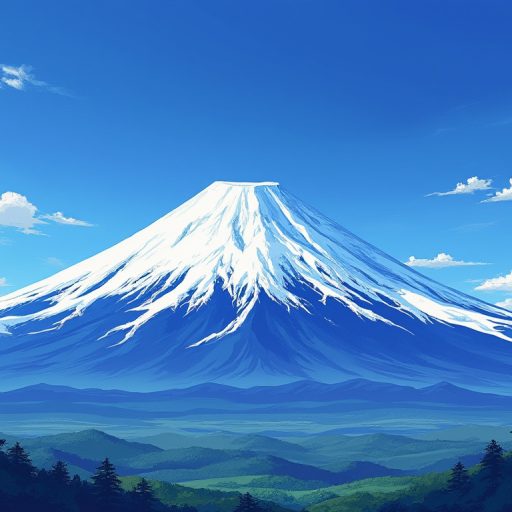
Complete Guide to Japan’s Seasons: A Month-by-Month Guide for Tourists
Japan experiences four distinct seasons, each offering unique experiences and requiring different preparations. Here’s your comprehensive guide to help you plan your visit.
Winter (December – February)
December (12月)
- Average Temperature: 2°C to 12°C (36°F to 54°F)
- Weather: Generally clear, dry days
- What to Wear: Heavy coat, scarf, gloves
- Key Points:
- Year-end holidays bring crowds to tourist spots
- Very dry air – bring moisturizer
- Pack lip balm and hand cream
January (1月)
- Average Temperature: 0°C to 10°C (32°F to 50°F)
- Weather: Clear days, snow likely north of Tokyo
- What to Wear: Thick winter coat, thermal underwear, winter accessories
- Key Points:
- Heavy snow in Hokkaido and Tohoku regions
- Many businesses closed during New Year’s holidays
- Excellent skiing conditions
February (2月)
- Average Temperature: 1°C to 11°C (34°F to 52°F)
- Weather: Clear days with occasional snow
- What to Wear: Winter coat, layers, warm boots
- Key Points:
- Still heavy snow in northern Japan
- Peak flu season
- Less crowded tourist spots
Spring (March – May)
March (3月)
- Average Temperature: 4°C to 15°C (39°F to 59°F)
- Weather: Gradually warming up, occasional rain
- What to Wear: Light coat, sweater, layers
- Key Points:
- High pollen season – bring allergy medication if needed
- Large temperature variations between day and night
- Early cherry blossoms in some regions
April (4月)
- Average Temperature: 9°C to 19°C (48°F to 66°F)
- Weather: Mild, perfect for cherry blossom viewing
- What to Wear: Light jacket, cardigan
- Key Points:
- Peak tourist season during cherry blossoms
- Book accommodations well in advance
- Carry a folding umbrella for sudden showers
May (5月)
- Average Temperature: 14°C to 23°C (57°F to 73°F)
- Weather: Generally pleasant and comfortable
- What to Wear: Long-sleeve shirts, light jacket
- Key Points:
- Golden Week crowds (early May)
- Perfect hiking weather
- Variable temperatures
Summer (June – August)
June (6月)
- Average Temperature: 19°C to 25°C (66°F to 77°F)
- Weather: Rainy season (tsuyu)
- What to Wear: Light, quick-drying clothes, rain gear
- Key Points:
- High humidity
- Potential transport delays due to rain
- Bring dehumidifying products for luggage
July (7月)
- Average Temperature: 23°C to 30°C (73°F to 86°F)
- Weather: Hot, humid, occasional sudden showers
- What to Wear: Light, breathable clothing
- Key Points:
- Risk of heat exhaustion
- Strong UV rays – bring sunscreen
- Hydration is crucial
August (8月)
- Average Temperature: 25°C to 32°C (77°F to 90°F)
- Weather: Very hot and humid
- What to Wear: Light summer clothing
- Key Points:
- Obon holiday crowds (mid-August)
- Highest risk of heat stroke
- Many summer festivals
- Frequent use of air conditioning indoors
[Link]Youtube
[Link]Youtube
Autumn (September – November)
September (9月)
- Average Temperature: 20°C to 27°C (68°F to 81°F)
- Weather: Typhoon season, potential heavy rain
- What to Wear: Short and long sleeves
- Key Points:
- Monitor typhoon forecasts
- Transport disruptions possible
- Keep a rain jacket handy
October (10月)
- Average Temperature: 15°C to 22°C (59°F to 72°F)
- Weather: Generally clear, comfortable
- What to Wear: Long sleeves, light jacket
- Key Points:
- Significant temperature variation between day and night
- Early autumn colors in northern regions
- Less rainfall than September
November (11月)
- Average Temperature: 8°C to 18°C (46°F to 64°F)
- Weather: Clear days, autumn foliage season
- What to Wear: Sweaters, medium-weight coat
- Key Points:
- Popular autumn foliage spots get crowded
- Book ahead for popular viewing locations
- Temperature drops quickly after sunset
[Link]Youtube
Year-Round Considerations
- Natural Disaster Preparedness
- Earthquakes can occur anytime – know your evacuation routes https://amzn.to/4egQ1j4
- Typhoon season (July-October) – monitor weather forecasts
- Heavy snow (December-February) in northern regions – check transport updates
- Essential Items
- Folding umbrella https://amzn.to/40rrO6k
- Portable charger https://amzn.to/48DkBlQ
- IC transport card
- Any necessary medications https://amzn.to/3YvZLAc
- International travel insurance
Amazon
https://amzn.to/4edTVsQ
- Peak Booking Periods
Book well in advance during:
- Cherry blossom season (late March-April)
- Golden Week (late April-early May)
- Obon Festival (mid-August)
- Autumn foliage season (October-November)
- New Year holidays (late December-early January)
- Regional Variations
- Northern Japan (Hokkaido): Generally cooler, heavy snow in winter
- Central Japan (Tokyo area): Four distinct seasons
- Southern Japan (Okinawa): Subtropical climate, mild winters
- Japan Alps: Cooler temperatures year-round, heavy snow in winter
Remember that these temperatures and conditions are general guidelines – specific regions may vary significantly. Always check local weather forecasts before your trip!

https://www.amazon.co.jp/b?node=26209144051&discounts-widget=%2522%257B%255C%2522state%255C%2522%253A%257B%255C%2522refinementFilters%255C%2522%253A%257B%257D%257D%252C%255C%2522version%255C%2522%253A1%257D%2522&linkCode=ll2&tag=jin333go09-22&linkId=edaca6b8da3b4fafeff83e675a362234&language=ja_JP&ref_=as_li_ss_tl

www.amazon.co.jp